.png)

What Is...?
A Parent's guide to understanding substances, street names, and risks.
Heard a word you didn't recognize? This page gives parents, educators, and concerned individuals straightforward, plain-language answers about substances — what they are, what they're called, and what warning signs to look for.
18 Substances covered
Critical Safety Alert: The Fentanyl Crisis
Illicitly manufactured fentanyl is now found in many street drugs — including counterfeit prescription pills, cocaine, MDMA, and heroin — often without the user's knowledge. A dose as small as 2 milligrams (barely visible to the naked eye) can be lethal. Naloxone (Narcan) is available without a prescription and can reverse an opioid overdose. Consider keeping it on hand.
Disclaimer: For educational purposes only. This information is intended to help parents and community members recognize and understand substance use. If you believe someone is in immediate danger, call 911.

Marijuana/ Cannabis
Dried flowers and leaves of the cannabis plant. The most commonly used illicit drug in the United States, particularly among teenagers. Also called: Weed Pot Mary Jane Bud Herb Reefer Grass What is it? Marijuana comes from the Cannabis sativa or indica plant. Its main psychoactive compound, THC (tetrahydrocannabinol), causes a "high." Today's marijuana is significantly more potent than it was in past decades — average THC content has risen from ~4% in the 1990s to over 12–15% today. How is it used? - Smoked in hand-rolled cigarettes (joints) or cigars (blunts). - Smoked using pipes or water pipes (bongs). - Vaporized using dry herb vaporizers. - Consumed as edibles (baked goods, gummies, drinks). Warning Signs - Red, bloodshot eyes. - Increased appetite ("the munchies"). - Slowed reaction time, impaired coordination. - Sweet or skunky smell on clothing or breath. - Rolling papers, pipes, small plastic bags, grinders. - Decreased motivation or disengagement from activities. - Secretive behavior, air fresheners used to mask smells. Risks - Impaired memory, concentration, and learning — especially in developing brains. - Increased risk of anxiety, depression, and psychosis in adolescents. - Respiratory issues if smoked regularly - Cannabis Use Disorder (addiction) affects ~9% of users overall, and up to 17% who start in their teens. - Impaired driving.

Dabs / Concetrates
Highly concentrated cannabis extracts — up to 3–9× more potent than regular marijuana. Increasingly common among teens and young adults. Also called: Dabs Wax Shatter Oil BHO Live Resin Live Rosin Butter What is it? Concentrates are made by extracting THC from the cannabis plant using solvents (butane, CO2) or mechanical methods. The result is a waxy, oily, or glass-like substance with THC concentrations typically between 50–90%, compared to 10–30% in regular flower. Because of this, the effects are far more intense and disorienting. How is it used? - "Dabbing" - a small amount (a dab) is placed on a heated metal or quartz "nail" and the vapor is inhaled through a specialized water pipe (dab rig). - Vape pens or cartridges ("Carts") - pre-filled with oil. - Added to joints or bowls. Warning Signs - Small silicone or glass containers holding waxy, amber-colored substance. - Butane torches used to heat the nail. - Vape pens or cartridges with thick, amber oil. - Notably high tolerance to cannabis effects Risks - Dramatically higher THC exposure increases risk of paranoia, panic attacks, and psychosis. - Rapid tolerance development. - Intense withdrawal symptoms including: anxiety, insomnia, and mood swings. - Home extraction attempts using butane are a serious explosion and fire hazard. - Teen brain development particularly vulnerable to high-THC exposure.

Edibles
Food or beverages infused with THC. Easy to conceal, easy to accidentally over-consume, and effects are delayed — making accidental overdose common. ***Most any food item could contain THC, either backed in or as an additive.*** What is it? Cannabis-infused food products including gummies, chocolates, brownies, cookies, beverages, and even savory snacks. Many are packaged to look like mainstream candy brands. Dosing is difficult to control, especially for inexperienced users. How its used Eaten or drunk. Effects take 30 minutes to 2 hours to begin — this delay frequently leads users to consume more than intended, resulting in an unexpectedly intense experience. Warning signs - unusual food items that look like commercial candy (especially gummies and chocolates). - Packaging mimicking well-known brands - Delayed signs of intoxication - appears normal, then becomes very impaired. - Empty or partial wrappers with cannabis leaf logos or "THC" labels. Risks - Delayed onset leads to over-consumption and overwhelming intoxication. - Effects last significantly longer than smoked cannabis (4-8+ hours). - Easily mistaken for regular food - risk to younger siblings, pets, or others in the household. - Hospital visits from cannabis over-consumption have risen sharply with edible availability.
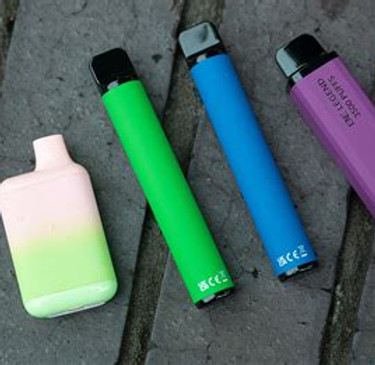
Vaping / E-Cigarettes
Battery-powered devices that heat liquid (containing nicotine, flavoring, and chemicals) into an aerosol for inhalation. Explosively popular among teenagers. Also called: Vape Juul E-Cig Pen Nic Puff Bar What is it? Electronic cigarettes or vapes heat a liquid ("e-liquid" or "vape juice") to create an inhaled aerosol. Most contain highly concentrated nicotine, plus propylene glycol, glycerin, flavoring compounds, and sometimes heavy metals from the heating coil. Disposable vapes (Puff Bar, Elf Bar, etc.) are especially popular with teens due to their low price and candy-like flavors. How it's used: Inhaled through a mouthpiece. Devices range from USB-drive-sized pods (Juul) to pen-shaped devices to larger box mods. Warning Signs: - Small USB-like or pen shaped devices. - Sweet or fruity odors on breath or in their room. - Unusual charging cables for unfamiliar devices. - increased thirst, mouth sores, or nosebleeds. - Secretive behavior around devices. - Coughing or throat irritation. Risks: - Nicotine is highly addictive - especially in adolescent brains, which are more vulnerable. - Linked to EVALI (E-cigarette or vaping product use - associated lung injury). - Exposure to heavy metals (lead, nickel) and toxic chemicals. - Nicotine harms developing brain regions controlling attention and learning. - "Vape pens" Can also be used to consume cannabis oil - similar/same device, VERY different substance.

Nicotine Pouches
Small pouches placed between the gum and lip to deliver nicotine — no smoking, no vapor, completely undetectable in a classroom. Also called (brand names): - Zyn - On! - Velo - Snus - Nicotine Snus - Pouches What is it? Tobacco-free nicotine pouches (Zyn, On!, Velo) deliver nicotine through the gum tissue. Because they produce no smoke, no vapor, and no odor, they are nearly impossible to detect and increasingly popular among teenagers at school. They come in a wide range of flavors and nicotine strengths. How it's used: A small pouch is tucked between the gum and lip for 20–60 minutes. No spitting required. Students can use them during class without teachers being aware. Warning signs: - Small round tins or slim rectangular containers, often with bright colors. - Minty or fruity odors on breath, without gum or mints present. - Gum irritation or recession. - Purchasing or being found in possession of unfamiliar tins. Risks: - Highly addictive nicotine content (some pouches contain more nicotine than cigarettes). - Gum recession and oral health damage. - Cardiovascular effects of nicotine. - Adolescent nicotine exposure disrupts brain development. - Risk of swallowing and nicotine poisoning, especially in younger children.

Cocaine
A powerful stimulant drug extracted from coca plant leaves. Creates intense but short-lived euphoria, leading to repeated use and rapid addiction. **VERY HIGH RISK** Also called: Coke Blow Snow Powder Charlie White What is it? Cocaine is a stimulant that floods the brain with dopamine, producing intense feelings of energy and euphoria. Effects last only 15–30 minutes, driving users to take more. "Crack" cocaine is a freebase form that is smoked, producing an even shorter and more intense effect. Street cocaine is frequently cut with fentanyl, levamisole, and other adulterants. How it's used: - Most commonly snorted as a fine white powder through a straw or rolled bill. - Smoked as "Crack Cocaine" (a rock form). - Dissolved and injected. - Rubbed on gums. Warning signs: - White powder residue on hard surfaces, mirrors, credit cards. - Rolled dollar bills or cut straws. - Small plastic baggies, sometimes with residue. - Frequent nosebleeds or runny nose. - Sudden bursts of energy followed by crashes. - Restlessness, irritability, paranoia. Risks: - Heart attack and stroke - even in young, healthy individuals. - Nasal perforation from snorting. - Severe psychological dependence. High risk of fatal overdose, especially if contaminated with Fentanyl. - Crack Cocaine carries extreme addiction risk.

Methamphetamine
A highly addictive synthetic stimulant that causes devastating physical and psychological damage — including severe psychosis — sometimes after just a few uses. **VERY HIGH RISK** Also called: Meth Crystal Ice Crank Tweak Glass Uppers Speed What is it? Methamphetamine is a synthetic stimulant that causes an extreme rush of dopamine — far more intense than cocaine, and lasting much longer (8–24 hours). It can be made in home labs from pseudoephedrine and other chemicals. "Crystal meth" (ice) is a purer, crystalline form. Physical deterioration can be rapid and visible. How it's used: - Smoked in a glass pipe. - Snorted as powder. - Dissolved and injected - Swallowed in a pill form (less common). Warning signs: - Rapid, significant weight loss. - Sores or scabs on face, arms (from skin picking). - Dental and oral decay. - Extreme energy. - Paranoia, hallucinations, erratic behavior. - Glass pipes, small baggies. - Strong chemical smell. Risks: - Among the most addictive substances known. - Methamphetamine psychosis - hallucinations and paranoid delusions that can persist long after usage stops. - Permanent brain damage affecting dopamine production. - Extreme cardio vascular damage. - Overdose risk, especially with Fentanyl contamination increasingly found in Meth.

Prescription Stimulants (Misuse)
ADHD medications like Adderall, Ritalin, and Vyvanse taken without a prescription or beyond prescribed doses. Sometimes called "study drugs" — a misleading label. **High Risk** Also called: Addy Adderall Study Drugs Ritalin What is it? Amphetamine-based medications (Adderall, Vyvanse) and methylphenidate medications (Ritalin, Concerta) are prescribed for ADHD. When used without a diagnosis, or in higher doses, they act as stimulants. Despite the "study drug" reputation, research does not show they improve academic performance in non-ADHD users — but do carry significant health risks. How it's used: - Swallowed as pills or capsules. - Crushed and snorted for a faster, more intense effect. - Sometimes dissolved and injected (rare among teens). Warning signs: - Pills that don't match their own prescriptions. - Excessive energy or focus, then significant fatigue. - Decreased appetite or weight loss. - Insomnia and irritability. - Obtaining medications from classmates. Risks: - Cardiovascular strain - increased heart rate and blood pressure. - Anxiety, agitation, and paranoia. - High-dose psychosis. - Psychological dependence. - Dangerous interactions with alcohol or other substances.

Heroin
An illegal opioid derived from morphine with extreme addiction potential. The majority of U.S. heroin supply is now contaminated with fentanyl. **VERY HIGH RISK** Also called: Heroin H Smack Horse Dope Black tar What is it? Heroin is processed from morphine, a naturally occurring substance extracted from the seed pod of certain poppy plants. It produces an intense rush of euphoria followed by drowsiness. Physical dependence can develop in days. Because the illicit supply is unregulated, purity and potency are completely unknown — and most street heroin now contains fentanyl, making each use a potential overdose. How it's used: - Injected (most common among dependent users). - Snorted as powder. - Smoked on foil ("Chasing the Dragon"). Warning signs: - Needles, Syringes, or spoons with residue. - Small glassine bags, aluminum foil with burn marks. - Extreme drowsiness, "nodding off" mid conversation. - Very small pinpoint pupils - Track marks or bruising on arms. - Runny nose or sniffling - Withdrawal symptoms: sweating, nausea, agitation. Risks: - Extremely high overdose risk - particularly with Fentanyl contamination. - Respiratory depression (breathing slows or stops) - Rapid physical dependence with painful withdrawals. - HIV and hepatitis C transmission from shared needles. - Naloxone (Narcan) can reverse an overdose - know where to get it, we offer FREE Naloxone upon request.

Fentanyl
A synthetic opioid 100× more potent than morphine. The #1 driver of overdose deaths in the U.S. Often hidden in other drugs — users may not know they're taking it. **VERY HIGH RISK** Also called: Fent What is it? Illicitly manufactured fentanyl (IMF) is a synthetic opioid that has saturated the U.S. drug supply. A potentially lethal dose is 2 milligrams — a few grains of table salt. Fentanyl is mixed into heroin, cocaine, methamphetamine, and pressed into counterfeit pills designed to look like Xanax, Adderall, OxyContin, and other prescription drugs. Many users have no idea they are taking fentanyl. Illicitly: found in counterfeit pressed pills, powders mixed in with other drugs, nasal sprays. Medically: patches, lozenges, injections — but these forms are rarely diverted for abuse. Warning signs: - Counterfeit pills (often light blue, stamped "M30" like ocycodone). - Any signs of Opioid intoxication: extreme drowsiness, slow breathing, pinpoint pupils, limpness, sedation. - Unresponsiveness - this is an overdose, call 911 immediately. Risks: - A fatal dose is invisible to the naked eye - there is no safe recreational dose. - Overdose can occur on first use, even with experienced drug users. - Narcan (Naloxone) can reverse a Fentanyl overdose, but may require multiple doses. - Leading cause of death in Americans ages 18 - 45.

Prescription Opioids (Misuse)
Opioid pain medications like OxyContin, Percocet, and Vicodin used without a prescription or beyond prescribed use. A common entry point to opioid addiction. Also called: Vikes Percs Oxy **VERY HIGH RISK** What is it? Prescription opioids are legitimate pain medications that act on the same brain receptors as heroin. When misused — taken in higher doses, by someone other than the patient, or combined with alcohol — they are extremely dangerous. Many people who develop heroin addiction report that prescription opioid misuse came first. How it's used: - Swallowed as pills. - Crushed and snorted. - Dissolved and injected Warning signs: - Pills missing from family members' medicine cabinets. - Pills that aren't their own prescription. - Drowsiness, slurred speech, slowed breather. - Mood swings - euphoric, then irritable or anxious. - Seeking out situations where they might access medications (visiting sick relatives, etc). Risks: - Physical dependence can develop within days to weeks of regular use. - Overdose, especially in combination with alcohol or benzodiazepines. - 7 out of 10 Counterfit "prescription pills" contain Fentanyl, estimated by DEA. - Strong correlation between prescription opioid misuse and heroin initiation.

Benzodiazepines
Prescription sedative medications (Xanax, Valium, Klonopin) misused for their calming or sedating effects. Counterfeit versions are routinely laced with fentanyl. **VERY HIGH RISK** Also called: Xanax Bars Benzos Zanies Ladders What is it? Benzodiazepines are prescription medications used to treat anxiety, panic disorders, and seizures. Misused recreationally, they cause sedation, reduced inhibition, and impaired memory. Physical dependence develops quickly, and withdrawal can be life-threatening (unlike most drugs). Counterfeit Xanax bars are common on the street and frequently contain fentanyl. How is it used? - Swallowed pills (bars, round pills). - Sometimes crushed and snorted. - Often combined with alcohol, opioid, or other drugs - dramatically increasing danger. Warning signs: - Slurred speech, slowed reactions, appearing "drunk" without the alcohol smell. - Excessive drowsiness or sedation. - Memory gaps. - Confusion, difficulty walking. Risks: - Extremely dangerous in combination with alcohol or opioids. - Physical dependence with potentially life-threatening withdrawal (seizures). - Memory impairment and blackouts create vulnerability to assault. - Counterfeit versions often contain lethal doses of Fentanyl. - Long-term cognitive impairment with chronic use.

MDA / Ecstasy / Molly
A synthetic drug with both stimulant and mild hallucinogenic effects, popular at concerts and festivals. Frequently adulterated — what's sold as Molly often isn't. **VERY HIGH RISK** Also called: Ecstasy Molly X E XTC Rolls What is it? MDMA (3,4-methylenedioxymethamphetamine) produces feelings of emotional closeness, euphoria, and heightened sensory experience. Effects last 3–6 hours. "Molly" is marketed as "pure" MDMA in powder or capsule form, while "ecstasy" typically refers to pressed pills — but both are routinely adulterated with methamphetamine, fentanyl, or other substances. What users believe they are taking is often something else entirely. How it's used: - Swallowed as pills or capsules - Powder dissolved in water or snorted. Warning signs: - Pupils extremely dilated. - Excessive sweating, overheating. - Jaw clenching or teeth grinding (may use pacifiers or lollipops to prevent this). - Unusually affectionate behavior, then significant fatigue 1–3 days later. - Colorful pressed pills with logos or symbols. Risks: - Hyperthermia (dangerous overheating), especially when dancing in hot environments. - Hyponatremia (dangerously low sodium from drinking too much water). - Cardiac arrhythmia. - "Suicide Tuesday" — severe depression following use as serotonin depletes. - Frequently adulterated with fentanyl, meth, or other dangerous substances. - Long-term damage to serotonin-producing neurons.

LSD / Acid
A powerful synthetic hallucinogen that alters perception, mood, and thought. A "bad trip" can be intensely terrifying and unpredictable. **High Risk** Also called: Acid LSD Tabs Blotter(s) Window pane What is it? LSD (lysergic acid diethylamide) is a synthetic hallucinogen that triggers visual and auditory hallucinations, altered sense of time, and intense emotional experiences. Effects begin 30–90 minutes after ingestion and last 8–12 hours. LSD is not considered addictive in the traditional sense, but psychological risks — particularly in teenagers — are significant. How it's used: - Small squares of blotter paper ("tabs") placed on the tongue - usually decorated with colorful/pop culture designs, pictured above. - Gel tabs - small, colorful squares of gelatin. - Liquid dropped onto sugar cubes or directly on the tongue. - Tiny pills Warning signs: - Small pieces of paper, gel squares, or sugar cubes saved in unusual ways. - Extremely dilated pupils. - Appearing to see or hear things that aren't there. - Rapid, unpredictable emotional shifts. - Staring, unresponsiveness, or extreme agitation (signs of a bad trip). Risks: - "Bad trips" — overwhelming anxiety, terror, and paranoia that can last the full 12 hours. - Psychological risk, especially for those with family history of psychosis or schizophrenia. - HPPD (Hallucinogen Persisting Perception Disorder) — "flashbacks" weeks or months later. - Dangerous and unpredictable behavior while intoxicated. - Counterfeit "acid" may contain NBOMe compounds, which can cause fatal outcomes.

Psilocybin / Magic Mushrooms
Naturally occurring hallucinogenic mushrooms. Increasingly repackaged in chocolates and gummies that look identical to commercial candy. Also called: Shrooms Magic mushrooms Caps Boomers Mushies Fungi **Moderate Risk** Psilocybin mushrooms contain psilocybin, which the body converts to psilocin — a serotonergic hallucinogen. Effects are similar to LSD but typically shorter (4–6 hours). They are increasingly sold infused into chocolates, gummies, and other foods. Growing popularity among teens has been fueled partly by media coverage of therapeutic research, which applies to very controlled settings with professional supervision. How it's used: - Eaten raw or dried - Brewed as tea - In capsules or chocolates (increasingly popular). Warning signs: - Dried brownish or tan mushrooms. - Unusual chocolates, especially with packaging referencing "micro" or "fungi" themes. - Gummies in atypical packaging. - Signs of hallucinogenic intoxication: dilated pupils, seeing/hearing things, altered behavior. Risks: - Anxiety, panic, and paranoia — especially with higher doses. - Risk of dangerous behavior during intoxication. - Risk of misidentification: wild mushroom foraging can result in consuming lethally toxic species. - Psychological risks similar to LSD for vulnerable individuals. - "Macro-dose" chocolates can deliver unexpectedly high doses.

Ketamine
A dissociative anesthetic used in medicine and veterinary practice, misused recreationally for its out-of-body, dreamlike effects. **High Risk** Also called: Special K K Ket Vitamin K Kit-kat What it is? Ketamine is a dissociative drug that can produce hallucinations, detachment from reality, and a sense of floating or being outside one's body. At very high doses, it can cause a completely incapacitating state known as a "k-hole." While legally manufactured for medical use, it is diverted for recreational use. Ketamine nasal spray has recently been FDA-approved for depression, leading to increased awareness and access. How it's used: - Snorted as a white powder. - Swallowed. - Injected (medical setting, or occasionally diverted). Warning signs: - White powder, small vials. - Seeming distant, detached, or dissociated. - Slurred speech, impaired coordination without alcohol odor. - Complete unresponsiveness or incapacitation (k-hole). Risks: - Complete incapacitation creates high vulnerability to assault. - Bladder damage ("ketamine bladder") with chronic use — can be severe enough to require surgical removal - Memory impairment. - Psychological dependence. - Dangerous in combination with depressants or alcohol.

Inhalants
Common household products — aerosol sprays, glues, markers, solvents — inhaled for a brief high. A leading form of early drug use among young adolescents, due to household availability. **VERY HIGH RISK** Also called: Huffing Whippets Poppers Galaxy gas Dusting Glue Sniffing What is it? Inhalants are breathable chemical vapors found in common household products. They are often the first substance misused by young adolescents (as young as 7–8) because they are cheap, easily accessible, and legal to purchase. The high is very brief (seconds to minutes), leading to repeated inhalation sessions. How its used: - "Huffing" — soaking a cloth in a substance and pressing it to the face. - Sniffing directly from the container. -"Bagging" — inhaling from a bag. - Balloons filled with nitrous oxide (whippets). Warning signs: - Missing household products: spray paint, glue, correction fluid, aerosol cans, nail polish remover. - Chemical smell on breath, clothing, or hands. - Paint, ink, or chemical stains around mouth or nose. - Empty aerosol cans, used balloons, or soaked rags. - Disorientation, slurred speech, lack of coordination. Risks: - Sudden Sniffing Death — cardiac arrest can occur on the very first use with no warning Suffocation from oxygen deprivation. - Brain damage from lack of oxygen and direct toxic effects. - Liver and kidney damage. - Permanent hearing or vision loss. - No antidote — even one use can be fatal.

Kratom
A tropical plant sold legally at gas stations and smoke shops in some states, marketed as a natural supplement. Acts like an opioid and carries real addiction risk. **VERY HIGH RISK** What is it? Kratom (Mitragyna speciosa) is a tropical tree native to Southeast Asia. Its leaves contain compounds that act on opioid receptors in the brain. At low doses it acts as a stimulant; at higher doses, as a sedative and pain reliever. It is sold legally in powder or capsule form in many states, marketed as an energy supplement or herbal pain reliever — or as an aid to quit opioids. Its legal status makes it easy for teens to obtain. How it's used: - Capsules or powder mixed into drinks (often bitter tasting). - Brewed as tea. - Purchased as pre-mixed drinks / gumimes. Warning signs: - Unfamiliar powder or capsules, especially from gas stations or smoke shops. - Packaging with leaf imagery and claims like "natural energy" or "herbal". - Symptoms of opioid-like intoxication at higher doses. Risks: - Concentrated products such as "7-OH" have been increasingly involved with overdose / fatality. - Physical dependence and opioid-like withdrawal symptoms. - Liver damage with heavy use. - Dangerous interactions with other medications and substances. - Not FDA-regulated — contents, purity, and strength are unknown. - Psychosis reported at high doses.
Now That You Know - What Do You Do?
"I think my child is experimenting"
SAHMSA:
An initiative by the Substance Abuse and Mental Health Services Administration (SAMHSA) focused explicitly on helping parents start early conversations about alcohol and other drugs.
-
“Talk. They Hear You.” Campaign - samhsa.gov/underage-drinking
-
National Help-line: 1-800-662-HELP (4357) - Free, confidential, 24/7 OR Text 988
Partnership to End Addiction:
Formerly known as the Partnership for Drug-Free Kids, they provide actionable toolkits, evidence-based articles, and direct connection to specialists
-
drugfree.org
-
Helpline: Call 1-855-378-4373 or text CONNECT to 55753.
FindTreatment.gov
If you reach a point where you believe your child needs professional evaluation or treatment, this is the official, confidential, and anonymous US government directory for verified care.
-
findtreatment.gov
-
National Helpline: 1-800-662-4357 (HELP) available 24/7
-
What they offer: A searchable database by zip code that filters for adolescent care, outpatient programs, sliding-scale fees, and insurance compatibility.
"I found something and don't know what it is"
Free At Home Drug Screens
CARE Dallas now offers at home drug screens, free for pick up. Reach out to us via the following page to request one or multiple.
How CARE-Dallas can help directly:
Visit our services page to see what other services CARE-Dallas offers!